Euro 7 for light-duty vehicles: where do we stand?
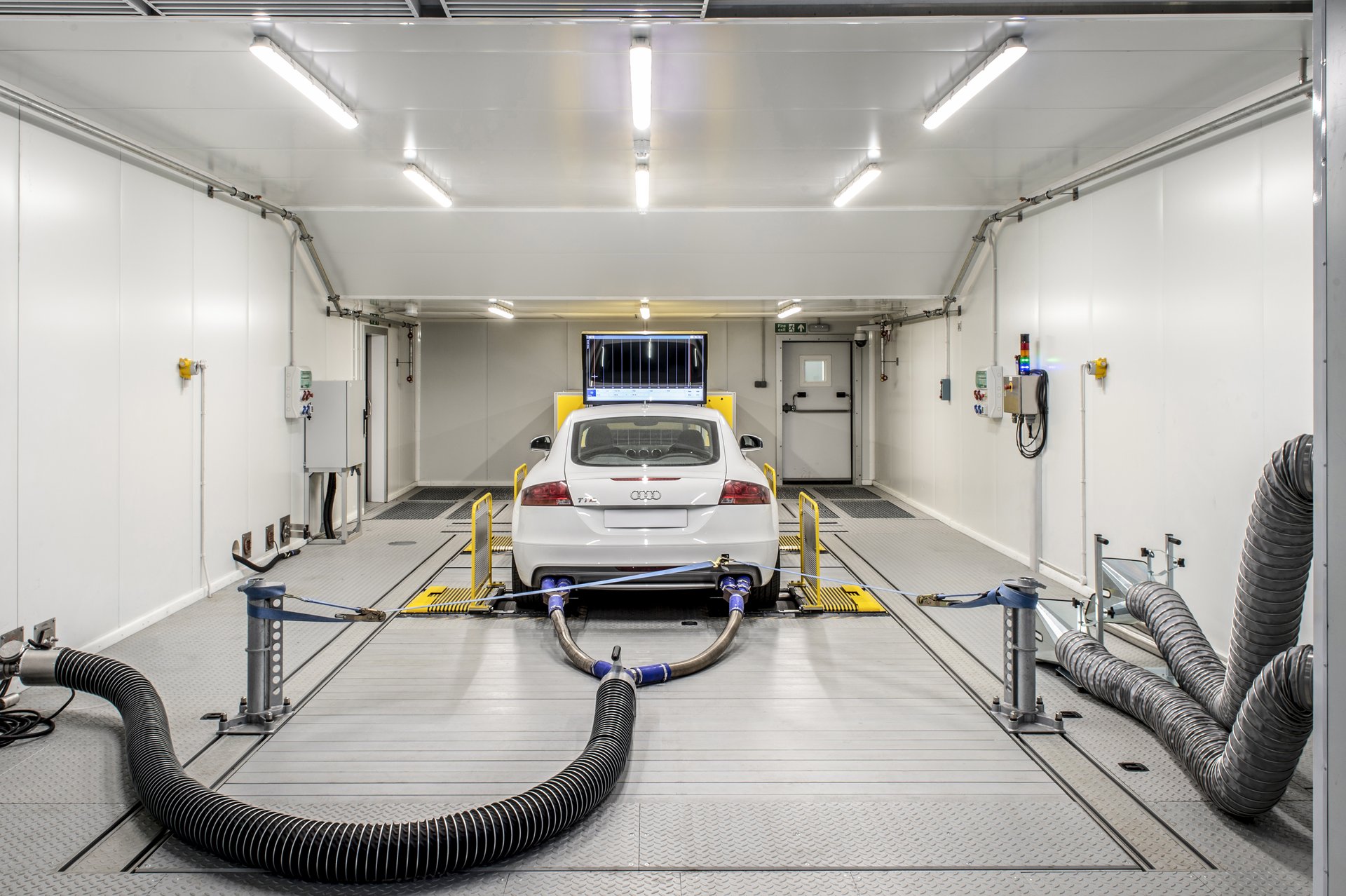
The Euro 7 regulation represents the next major step in the European framework to reduce road vehicle pollution. After years of discussions within EU and UN institutions, the final technical texts were adopted this month at WP.29 (World Forum for Harmonization of Vehicle Regulations) of the UNECE (United Nations Economic Commission for Europe).
These texts still need to be transposed into European law, with publication expected this summer.
The Euro 7 regulation represents the next major step in the European framework to reduce road vehicle pollution. After years of discussions within EU and UN institutions, the final technical texts were adopted this month at WP.29 (World Forum for Harmonization of Vehicle Regulations) of the UNECE (United Nations Economic Commission for Europe).
These texts still need to be transposed into European law, with publication expected this summer.
What is Euro 7?
Euro 7 is the new European regulation replacing Euro 6/VII standards for pollutant emissions and vehicle durability. It introduces several new requirements, including:
• On-board monitoring of exhaust emissions (NOx and particles),
• Non-exhaust emissions: brake particle emissions and tire abrasion,
• Battery durability and low-temperature range for electrified vehicles.
What does this mean for the industry?
The introduction of Euro 7 in the type-approval process marks a significant milestone for:
• Vehicle manufacturers, who will need to ensure their vehicles comply with these new requirements,
• Suppliers, who will face new limits on non-exhaust emissions and component durability,
• Approval authorities and testing centers, which will need to adapt to new type-approval procedures.
UTAC, a committed player
UTAC has been actively involved for several years in European expert groups such as AGVES (Advisory Group on Vehicle Emission Standards) and GRPE (Working Party on Pollution and Energy), contributing to the development of technical regulations while ensuring they remain applicable and aligned with environmental objectives.
Our teams are fully mobilized to support mobility stakeholders in anticipating, preparing for, and implementing Euro 7 requirements, particularly in terms of type approval and environmental performance assessment.